

Open a music streaming app or launch an online game and you will usually be greeted by something small: a streak counter, a badge, a “you unlocked” banner or a playlist built just for you. These moments feel like extras, but they are deliberate parts of product design. Reward systems decide when we feel satisfied, how long we stay, and whether we come back tomorrow. Understanding them helps you enjoy these apps more on your own terms.
Why reward design matters more than the reward itself
A reward is only meaningful when it arrives at the right moment. A product team might give a player 500 coins for finishing a level, but the timing, size and predictability of that payout shape how the player feels about the next level. The same logic applies to a listener who gets a surprise “Discover Weekly” hit or a friend’s shared playlist. The song itself matters, but so does the feeling of being rewarded for paying attention.

Variable rewards and why they hook people
Psychologists have long known that unpredictable rewards can be more compelling than fixed ones. Researchers who study reward variability in digital products argue that the uncertainty of not knowing when the next payoff will land can drive repeated behaviour, including in gaming and social media. This is the same principle behind a slot machine’s random payouts, which is why the mechanic appears so often in free-to-play titles and in apps that use “mystery” rewards.
That does not mean every variable reward is harmful. A surprise bonus track on a playlist can be a pleasant moment. The concern starts when the unpredictability is used to push people past the point where they still enjoy the activity.
Badges, streaks and milestones
Most apps rely on visible progress markers. Badges tell you what you have achieved, streaks reward consistency, and milestone screens celebrate round numbers like 100 hours listened or 50 ranked wins. Each of these acts as a signpost that says the effort was worth it. They work best when the goal is clear and the reward feels earned.

Readers who want to compare the rewards and payout structures offered by gambling operators will find that comparison sites are often the first stop. Crazyvegas, for example, publishes reviews and comparisons that help people see how operators differ, including where to find the best payout online casino options. Because casinos rely on the same variable-reward psychology discussed above, it is worth reading that kind of information with a clear budget and a plan to stop.
Personalised rewards in music apps
Music apps have moved beyond simple playlists. Daily mixes, listening recaps and “rediscover” features reward you with content that matches your taste, which makes the experience feel like a gift rather than a menu. Personalisation also keeps the app relevant, because a listener who hears a track they love is more likely to open the app again the next morning.

Year-end summaries are a good example. They package your listening history into a shareable story, which rewards you for loyalty and encourages you to tell friends about the service. The reward here is recognition, and it costs the platform very little to produce.
The reward loop in online games
Games use reward loops more openly. A typical loop asks the player to act, delivers feedback, and then offers a bigger goal. Research on in-game reinforcement suggests that the schedule of rewards affects how long people keep playing. One study on how players respond to variable reward schedules found that players often preferred unpredictable payoffs, although the size of the range mattered a great deal. Narrow or extreme ranges could reduce enjoyment, which suggests that good design balances surprise with fairness.
For developers, this creates a real trade-off. Rewards that feel generous build loyalty, while rewards that feel rigged can damage trust and lead to lower long-term engagement.
Designing rewards responsibly
Reward systems are not inherently bad. They help users learn features, celebrate effort and find content they enjoy. Problems arise when rewards are designed to override a player’s or listener’s intentions. Clear odds, visible spending limits, easy ways to pause and honest progress indicators all make a reward system easier to trust.
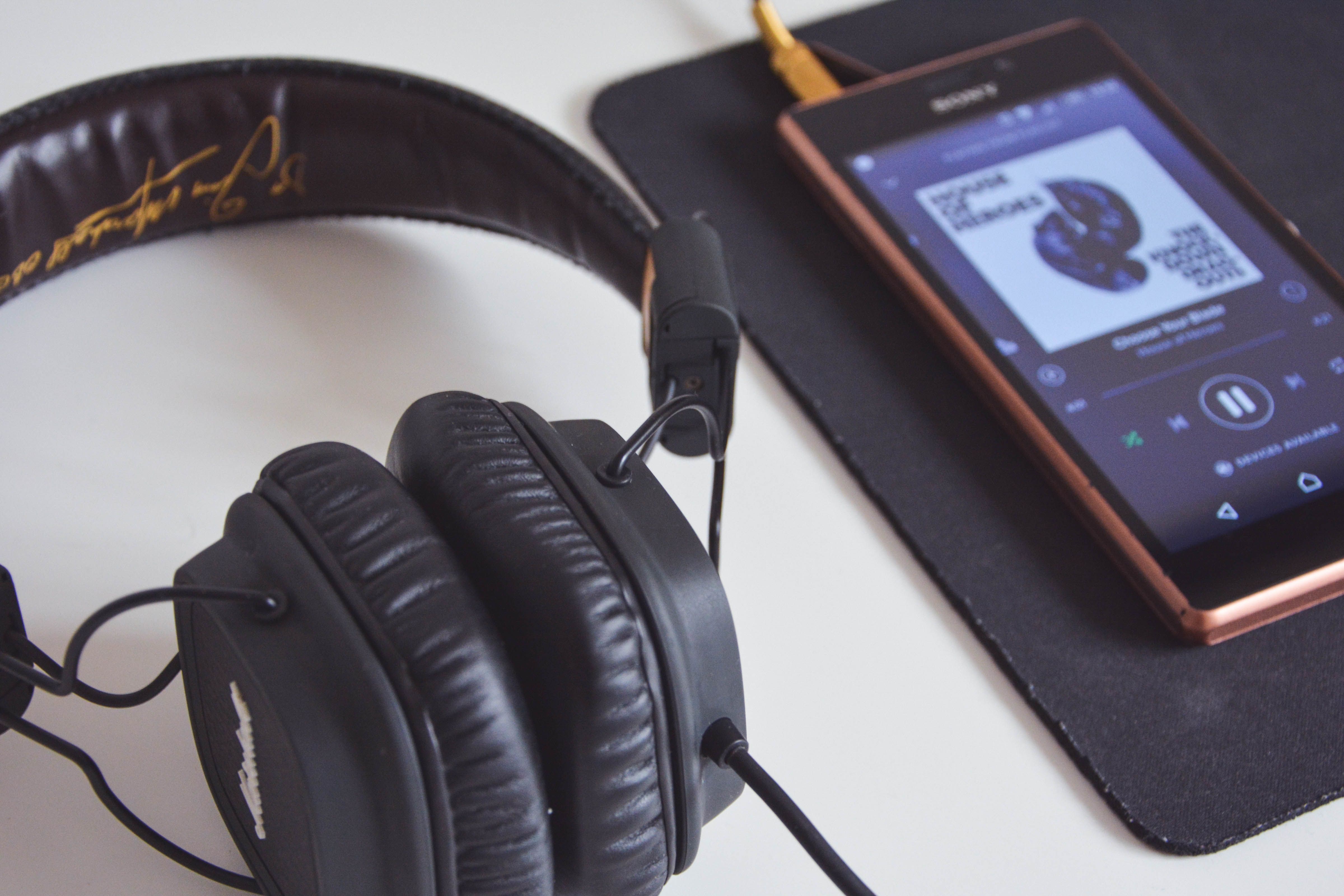
As a user, you can take a few simple steps. Notice when a notification is pulling you back into an app, turn off streak reminders if they create pressure, and set a listening or play time limit. Enjoying a reward is healthy; chasing one at the expense of sleep or money is where things go wrong.
Closing thoughts on the reward economy
Reward systems have become the invisible architecture of modern entertainment. They decide which songs appear next, which level feels fair and which achievement you chase next week. Knowing how these systems work does not mean rejecting them. It means choosing which rewards are worth your time, and recognising when a small celebration is really a prompt to keep going.