

Cryptocurrency has been called the future of money for years, yet most people still pay for coffee with a card or a phone tap. Where crypto is actually showing up is in places where speed and cash flow matter most: music festivals, online gaming platforms and a small but growing number of physical checkout counters. This guide looks at where crypto payments are really being used, where they are still experimental, and what that means for fans, players and business owners.
Music Festivals Test Crypto at the Bar and the Gate
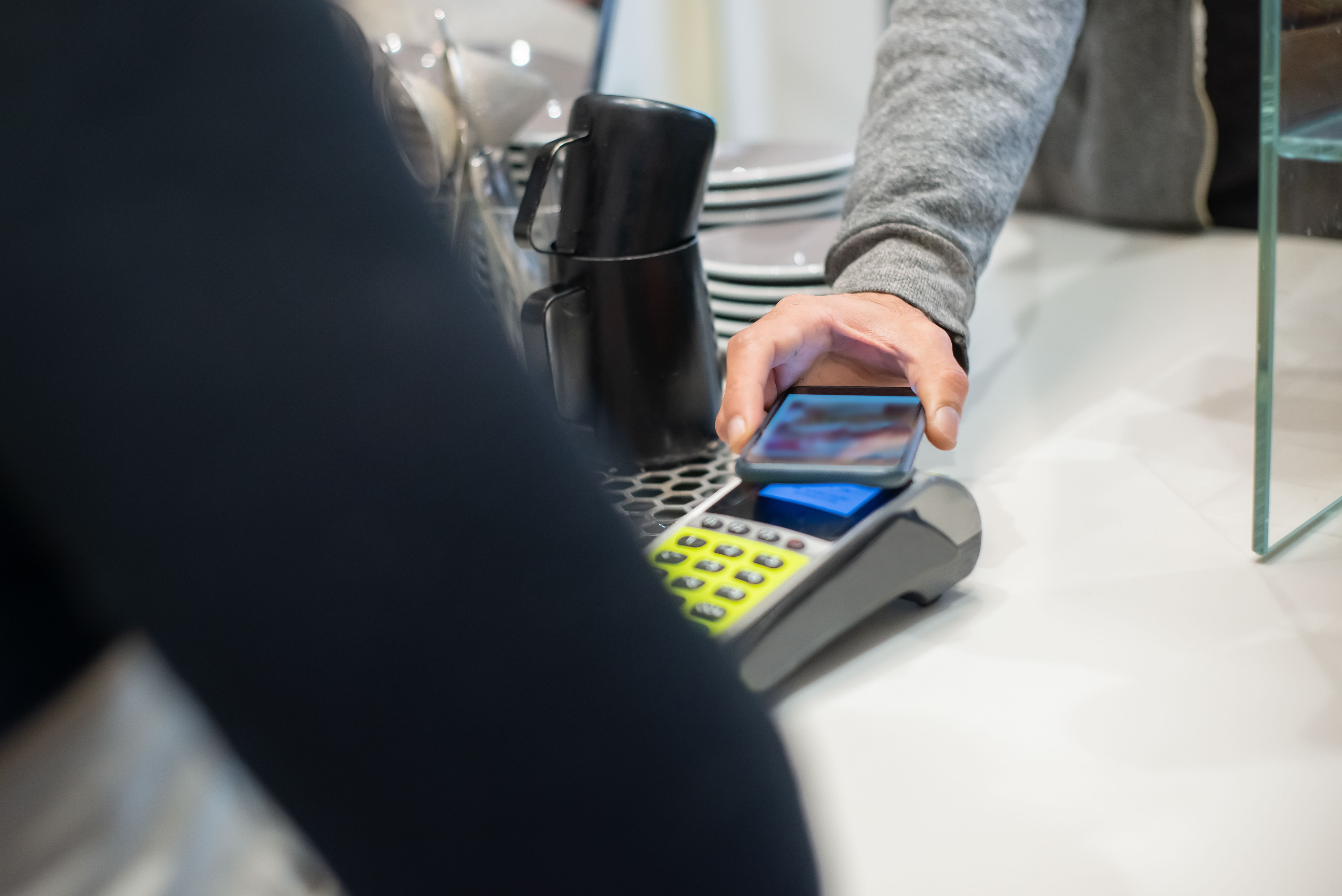
Festivals are a useful test case because they combine huge crowds, short windows of time and a high volume of small purchases. Tomorrowland already runs a closed-loop system: attendees load a wristband and spend an in-house currency called Pearls on food, drinks and merchandise. That is not crypto in the strict sense, and it is worth separating from wallet-native spending. A CCN report on crypto at festivals in 2026 made the same point, noting that proprietary closed-loop currencies are far more common than payments made straight from a crypto wallet.
Direct crypto payments are arriving, though. Breakaway Music Festival in the United States allowed fans to buy tickets and some on-site services with digital assets on selected days in 2025, using blockchain payment providers. In Romania, UNTOLD Festival ran a stablecoin checkout pilot in its VIP lounge in August 2026, serving roughly 6,000 guests across food, beverages and reserved table service. Organisers and payment providers describe these as tests rather than full rollouts, and not every vendor on site accepts crypto.
Online Gaming Was an Early Adopter

Entertainment that happens online has had a head start on crypto. Crypto-native gambling platforms adopted blockchain payments early, mainly because digital currencies allowed deposits and withdrawals without waiting on traditional banking rails. That speed is the main draw, but it comes with trade-offs. A crypto transfer is final, so there is typically no chargeback process if something goes wrong, and players need to pay close attention to wagering requirements and withdrawal rules.
Casinous, which publishes a dedicated guide to cryptocurrency banking for casino players, shows how the model is being presented to users. Anyone comparing deposit options can read through this crypto casino banking guide before deciding whether digital money suits their habits and their risk tolerance.
Checkout Counters Are Slowly Catching Up

The biggest shift for everyday spending has come from payment terminals rather than entertainment venues. In November 2026, Square expanded Bitcoin acceptance across its eligible U.S. merchant network, letting businesses receive Lightning Network payments without holding cryptocurrency themselves. Processing fees are waived through the end of 2026, with a 1% fee scheduled to begin on January 1, 2027. That is a meaningful push, since it places crypto acceptance inside a system many small businesses already use.
Lightning is the technology doing much of the heavy lifting. It handles Bitcoin payments through payment channels rather than the base blockchain, which makes transactions faster and cheaper. Estimates put Lightning volume at around $1.17 billion across 5.22 million transactions in November 2025, a sharp rise on the year before.
Where Adoption Still Falls Short
Growth figures can look more impressive than the underlying reality. Lightning volume is substantial, but the data does not yet show that ordinary shoppers use it at the checkout often enough to replace cards. Much of the activity sits with custodial services, exchanges and specialist platforms, and public network data cannot show the full split. Many businesses that accept Bitcoin also convert most of what they receive into dollars, which means they are using crypto as a payment rail rather than as a store of value.
Consumer protection is the other obstacle. Card payments come with dispute processes that let buyers recover money when goods never arrive or a merchant disappears. Crypto payments generally do not, which is a serious consideration for anyone buying tickets, merchandise or gaming credits. Price volatility and tax reporting add further friction for both shoppers and sellers.
What Comes Next for Crypto Payments
The most likely near-term path is not a single moment when crypto replaces cash or cards. It is a gradual spread of options: festival bars that accept stablecoins alongside closed-loop wristbands, casino banking pages that list crypto next to cards, and point-of-sale terminals that quietly add Lightning as one more choice. Stablecoins, which are pegged to currencies like the dollar, may matter more than bitcoin for everyday pricing because they remove most of the volatility concern at the till.
For fans and players, the practical question is less whether crypto will take over and more what each payment method gives them in return. Speed and borderless transfers are real advantages. So are the loss of chargebacks and the need to manage a wallet carefully. Checking the terms, the fees and the refund rules before paying is the habit that matters most, whichever method you choose.