Rome attracts more than 10 million visitors each year, yet many first time travelers make the same mistake. They try to see everything in a few days without thinking about how far landmarks actually are from each other. The result often feels rushed instead of magical.
Planning your visit around timing and distance changes the experience completely. Rome’s historic center is surprisingly walkable, and many famous landmarks sit within a short distance of each other.
A thoughtful route allows you to move through neighborhoods naturally, enjoy the atmosphere, and still see the highlights without constant rushing.
This guide shows how to organize your first trip so the city unfolds in a comfortable rhythm.
Why Timing And Distance Matter In Rome
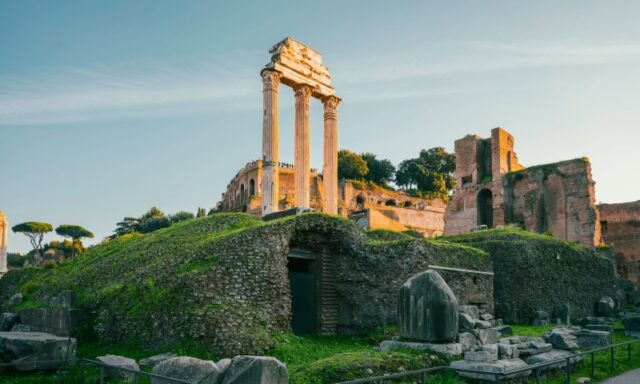
Rome is surprisingly compact for a city filled with ancient landmarks. Many famous attractions sit within a 20 to 30 minute walk of each other, especially in the historic center. Planning your days around clusters of sites saves time and prevents unnecessary backtracking.
The key idea is simple: group attractions that sit close together and visit them during the best hours of the day.
Several practical benefits come from this strategy:
- Mornings become ideal for famous landmarks before crowds arrive.
- Afternoon hours work well for museums or longer experiences indoors.
- Evenings naturally shift toward scenic walks and relaxed dinners.
Another advantage involves energy. Rome’s streets are paved with cobblestones, and walking several kilometers each day is common. Spreading attractions across logical routes allows you to enjoy the city instead of feeling like you are rushing between checkpoints.
A thoughtful schedule built around distance also leaves room for spontaneous discoveries, which is often where the best travel memories come from.
Start Your Trip In The Historic Center
The historic center of Rome holds many of the landmarks that first time visitors dream about. Staying or starting your exploration here makes orientation much easier.
A walking route through this area often includes several iconic stops:
- Pantheon
- Piazza Navona
- Trevi Fountain
- Spanish Steps
- Campo de’ Fiori
Most of these sites are 10 to 15 minutes apart, making them perfect for a relaxed first day. Walking between them also reveals smaller churches, artisan shops, and cafés tucked into narrow streets.
The Pantheon’s concrete dome, built around 125 AD, remains the largest unreinforced concrete dome in the world. Its design still fascinates architects today.
Early morning visits work best for the Trevi Fountain and Spanish Steps since crowds grow quickly during midday. Starting your day early allows you to enjoy these places without the constant flow of tourists.
Add A Cultural Experience Early In Your Trip
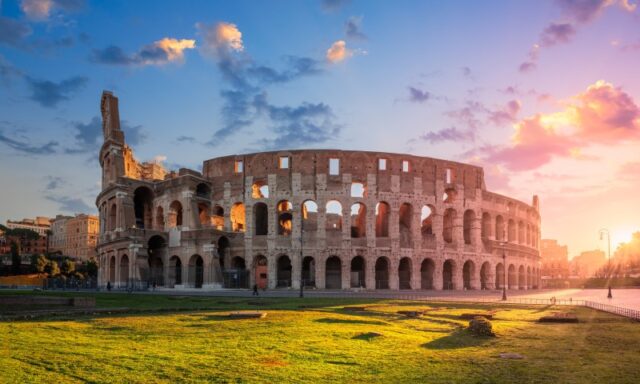
Travel in Rome often revolves around monuments and architecture. Yet some of the most memorable experiences involve connecting with Italian culture more directly.
Food experiences offer a great way to do this, especially early in the trip when curiosity about local cuisine is strongest.
Many travelers choose to participate in a cooking class in Rome during their first days because it helps them understand Roman ingredients, traditions, and flavors before exploring restaurants across the city.
Learning to prepare classic dishes like pasta alla carbonara or cacio e pepe adds context to meals you encounter later in the week. A class also provides a slower paced activity between sightseeing days, which helps balance busy walking schedules.
Culinary experiences also connect travelers with locals who share stories about neighborhood markets, seasonal produce, and everyday Roman cooking habits.
Planning Vatican Day Without Rushing
The Vatican area deserves its own dedicated day. Trying to combine Vatican City with distant landmarks often leads to unnecessary stress.
Most travelers focus on three primary sites:
- Peter’s Basilica
- Vatican Museums
- Peter’s Square
The Vatican Museums require significant time since the complex stretches across several galleries. Many visitors spend two to three hours inside.
A helpful approach looks like this:
| Time of Day | Activity |
| Early Morning | St. Peter’s Basilica |
| Late Morning | Vatican Museums |
| Afternoon | Lunch in Prati neighborhood |
| Evening | Walk along the Tiber River |
This schedule works well because mornings bring shorter lines for the basilica, while museum entry times are easier to manage later in the morning.
After exploring the Vatican, the nearby Prati district offers quieter streets and excellent restaurants, which creates a natural transition into a relaxed afternoon.
The Colosseum And Ancient Rome Route
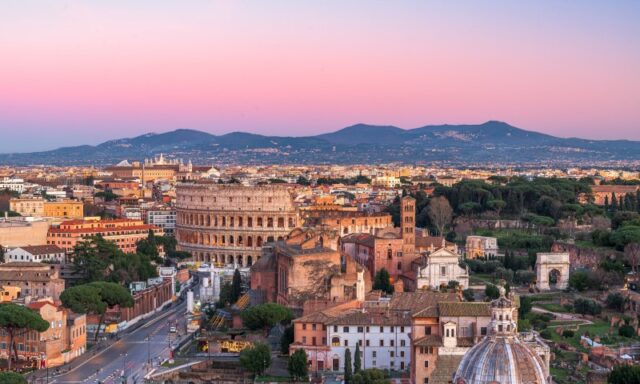
Ancient Rome forms another cluster of landmarks that are best visited together. The Colosseum area sits slightly southeast of the historic center but remains within comfortable walking distance.
Most first time visitors explore three major sites here:
- Colosseum
- Roman Forum
- Palatine Hill
All three belong to the same archaeological zone. Visiting them consecutively creates a coherent story of ancient Roman life.
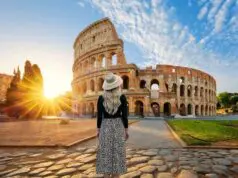
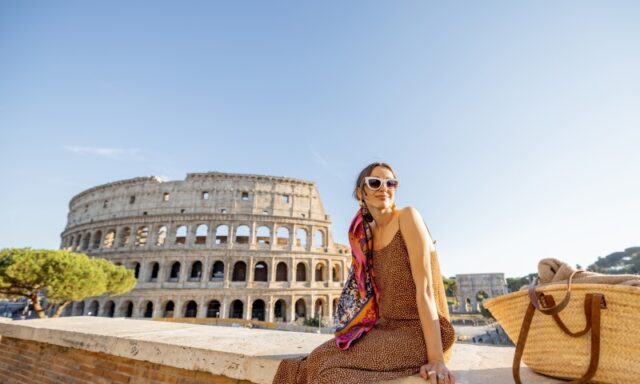
The Colosseum could hold around 50,000 spectators during the Roman Empire. Events included gladiator fights, animal hunts, and elaborate public spectacles designed to entertain the population.
Starting early in the morning offers cooler temperatures and fewer crowds. After completing the archaeological complex, many travelers continue toward the nearby Monti neighborhood, known for relaxed cafés and boutique shops.
Monti works well as a midday break before continuing toward other nearby landmarks like Piazza Venezia or Capitoline Hill.
Using Public Transport Strategically
Walking remains the best way to experience Rome. Still, public transport helps when distances become longer or when you want to save energy.
Rome’s transportation network includes:
- Metro lines
- City buses
- Trams
- Regional trains
The metro system is small compared with other European capitals, but it connects several key areas such as the Vatican, Spanish Steps, and the Colosseum.
Below is a simple comparison that helps decide when to walk and when to ride:
| Distance | Recommended Option |
| Under 1 km | Walk |
| 1–3 km | Walk or bus |
| Over 3 km | Metro or taxi |
Public transport becomes particularly useful late in the evening when you want to return quickly to your accommodation after dinner.
Even with transport options available, walking remains the best way to experience Rome’s atmosphere.
Evenings Are Made For Exploration
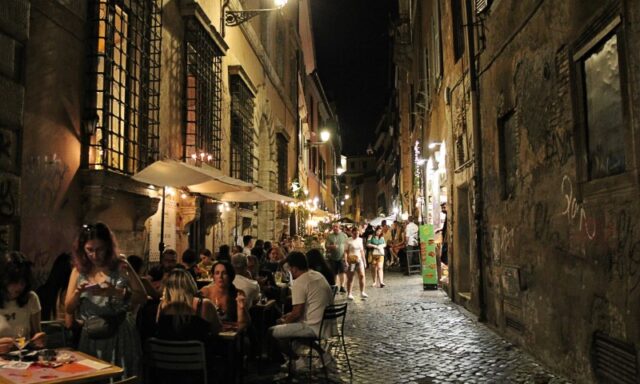
Many travelers focus heavily on daytime sightseeing and overlook how magical Rome becomes after sunset. The evening hours offer a completely different perspective on the city.
Landmarks glow under warm lighting, streets feel calmer, and restaurants fill with locals enjoying long dinners.
Evening walks often include these highlights:
- Piazza Navona illuminated at night
- Trevi Fountain after the daytime crowds fade
- Trastevere’s narrow lantern lit streets
- Riverside strolls along the Tiber
Did you know?
Romans traditionally eat dinner later than many visitors expect, often around 8:30 or 9 PM.
Planning lighter daytime schedules leaves energy for these nighttime explorations. A slow walk between illuminated monuments can easily become one of the most memorable moments of a Roman trip.
Planning Your First Roman Adventure
Rome contains more history and beauty than any itinerary can capture in a single trip. The smartest strategy focuses on grouping nearby sights, choosing the right time of day for each area, and leaving space for spontaneous discoveries.
Walking between neighborhoods, pausing for a meal, or wandering into a quiet church often becomes more memorable than rushing from one attraction to another. When your schedule follows distance and timing instead of pressure, the city reveals itself naturally.
A first visit to Rome should feel immersive rather than exhausting. Plan thoughtfully, slow down when needed, and let the rhythm of the city guide the rest.